MTG Finance, not really
Playing MTG on a Budget

It’s the end of the year and me and a friend were having a conversation today about the state of Magic the Gathering Standard meta. Naturally the year end conversations about budgeting and finances came up, especially since the both of us are going through a period of heavy financial expenditure. The thought that kept running through my head was,

“How can we enjoy the game whilst not spending excessively, yet support the local gaming communities?”
This is really a tough question, magic is not a cheap hobby by any means. Therefore the following is not financial advice, I’m not a financial advisor just a guy who would like to share how he enjoys his hobby.
I’d like to break this down into three sections, each with their own formats that I think are best suited for the level of understanding necessary of the game.
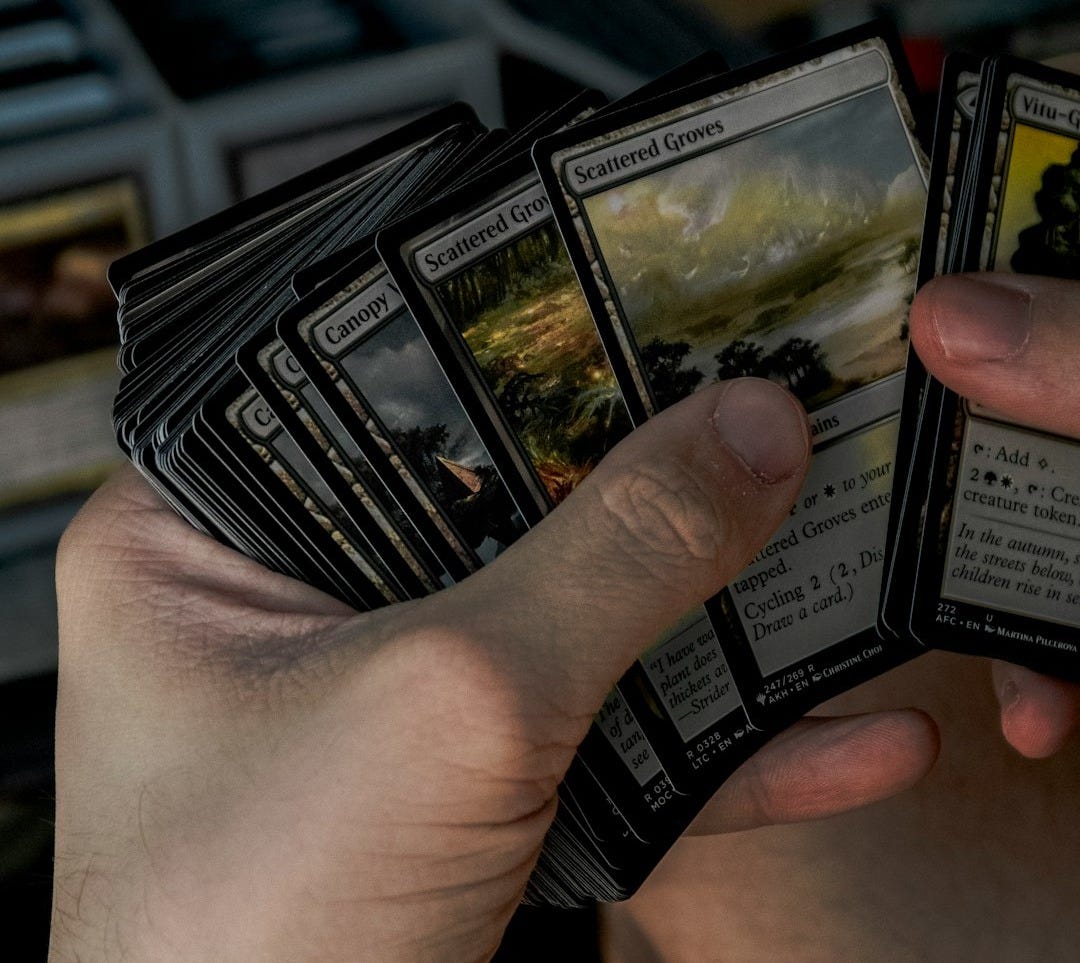
The First and I think most controversial format that people can play and would need to find their comfortable price point, would be Standard. The Standard format in Magic the Gathering is the flagship of the game, the main meat of the game I would daresay. This format rotates once every three years now, with the exception of Foundations which will be standard legal for 5 years. This 5 year space is actually an upgrade to the previous 2-3 year or even 7 set rotation that we used to have. I actually like a 2-3 year rotation but that’s a topic for a different discussion. In this format, my preferred way to play is by collecting cards through Drafting. Drafting is where a group of 8 players will sit together and pick cards from 3 boosters as they are passed around the table. This format tackles multiple problems from diverse angles.
Here’s how I see it:
Players can learn to build decks, and see card interactions in an in depth manner. With a smaller card pool and a smaller deck size, the chances of specific combo pieces showing up and interactions happening are alot higher!
Players are able to pick and choose cards they would like to keep out of the bigger selection of cards available. Many times when we open boosters individually, we do not necessarily get what we want or we get things that we would rather trade off. Drafting allows us to pick the cards we want to keep as most drafts are nowadays hosted with keeping the cards in mind.
Drafting once a week means 42 new cards every week, not including the ones you get from prizes and promos. The price of a Draft is about RM100 per week, so once a week drafting is not that heavy on the wallet. Including a game of standard, that would set a player back about RM130 a week for about 2 days worth of gameplay and the potential to win more cards and prizes.
With the above method, you can really keep your expenditure to a minimum, and you still can play pretty competitively. Whilst there may be a need for more singles, that rarely happens and you can still enjoy yourself playing the game.
The second format or rather style of play I’d like to touch on is Competitive Play. Many Players believe that playing in different decks and being a top tier player by only playing the best deck in the format at the given time. While this is one way to always be ahead of the competition, it’s also really time and money exhaustive. This is because you’ll always need to be able to play the deck for quite a few rounds before getting used to most iterations of draws that will become available to you throughout the game. Constantly switching deck types, colors, and play styles will not allow you the luxury of time. Therefore I strongly believe that as a competitive player who is more frugal, one way to get around the competition is to work with a deck builder or build your own decks. This allows you to understand why certain cards fit in a way into the deck and substitute them if budget restraints happen. Another way I find myself saving some pennies on the dollar, is by sticking to one consistent color set. This way, you’re saving money on having to buy up multiple land bases. This method may have some issues when it comes to the color not being necessarily the strongest deck in the format at the given moment, but if paired with the initial idea of spending more time with the deck it becomes a really powerful force to be reckoned with. An example of this is my current color preference to Izzet colors. I’ve been playing Izzet colors since my return to the game in Outlaws of Thunder Junction, and since then it’s been one iteration after another in Izzet colors. Be it Otters, Vivi, Cori-Steel to the current lesson deck, and my pet tiger seals deck, all of them are in Izzet. Regional Championship top 13 deck from last year’s Kuala Lumpur Regionals, a certain Boros deck also applies this logic to very powerful results. As does the Azorius decks, Dimir Decks, Gruul Delirium and much much more. Standard is not just always Mono Red.
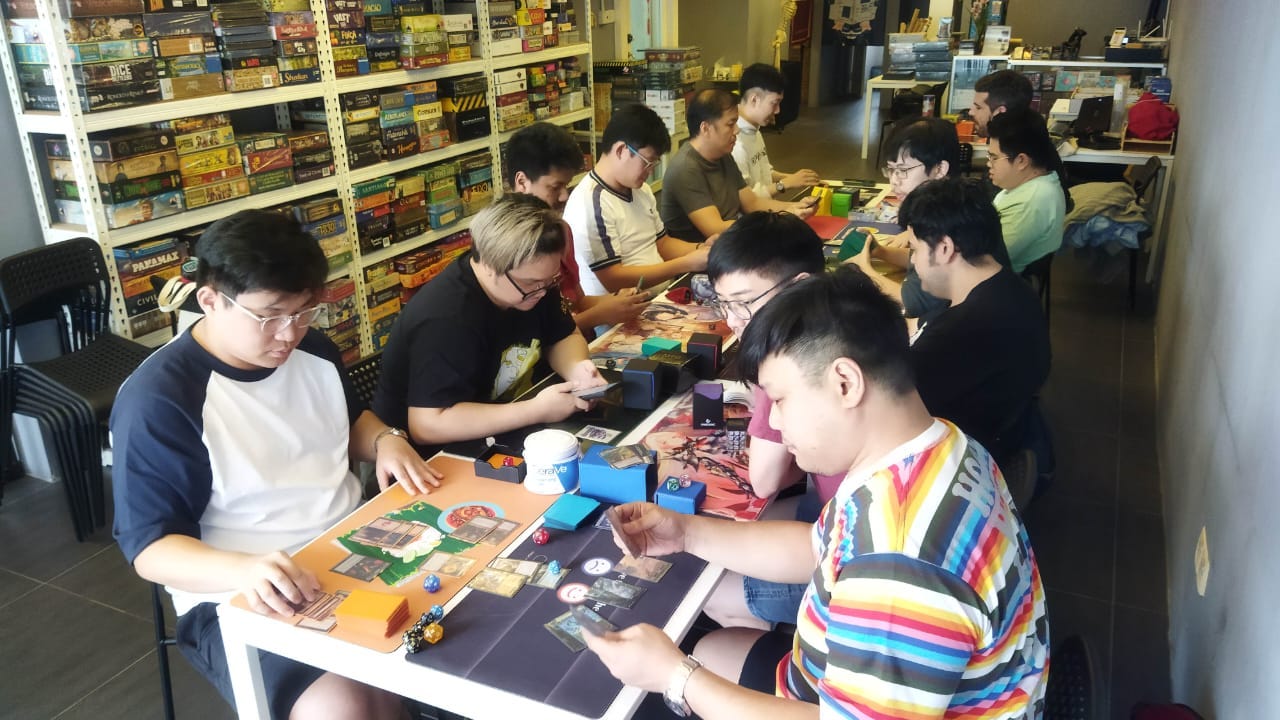
The last section of this article I’d like to touch on Legacy formats. While most people shun the Standard format because of Rotations, jumping straight into Legacy formats with the expectation of it being cheaper or more budget friendly is not necessarily true. Legacy formats in this case include, Commander, Modern, Legacy itself and Pauper. Well aside from Pauper, which i guess being all commons makes the case for really the cheapest format in Magic the Gathering right now. The trap in Legacy formats are threefold, so here I’ll break them down so that you may avoid it and then summarize with a suggestion.
The Higher Entry level. Due to the complexity of card interactions, obscure rulings and hard to find cards, Legacy formats tend to have a higher barrier of entry for newer players. With this in mind, I generally advise newer players to avoid jumping into Legacy formats straightaway. Many times coming in with deck ideas may cost a pretty penny just trying to find the card, even though the card itself might not be very expensive.
The Arms Race. Just like in all formats, playing in Legacy formats will also see players trying to outwit and be better than each other. Many times, that will inevitably lead to players making new decks, getting more cards just to answer to a localized meta. Whilst innovation in itself it’s a good thing, it does lead to higher expenditure.
The Stagnation. Legacy formats tend to be more resilient to change due to the nature of a huge card pool, and there’s only so much excitement to be garnered from one single playstyle. This leads to mental fatigue and boredom. Causing players to build multiple decks in search for newer more exciting things to do. Just like in the Arms Race, this is good it just leads to more expenses for those who pursue it.
My answer to all of these are simple:
Build a deck that’s versatile, have a couple more lines of play that you’re able to switch to while in a game to shake things up and keep variety high. This will prevent you from being locked into only playing a deck at one particular tier, and allow more games before the deck stagnates.
Build your own deck, from cards you have. A simple way to reduce expenses is to be more creative with the cards you already own. If you do not own enough cards, then maybe it’s a good time to go Drafting for them.
Master your own deck before heading into a new one. I have a Commander deck, that I’ve been playing since 2015. It’s not changed much since and is versatile enough that I can still enjoy a couple of pickup games whenever I feel like it.
Hopefully all of these ideas will allow you to understand some of the reasons why overspending in this hobby is so easy, and give you some ideas on how to avoid it. If this helps, do let me know. If you have other tips and tricks, do comment below or DM me so I can add it into another article in the future!